The Myth of One Perfect Berry for Every Bake
Berries for baking behave differently by variety and condition. Learn how firmness, juice, and flavor affect cakes, muffins, and pies before you mix.
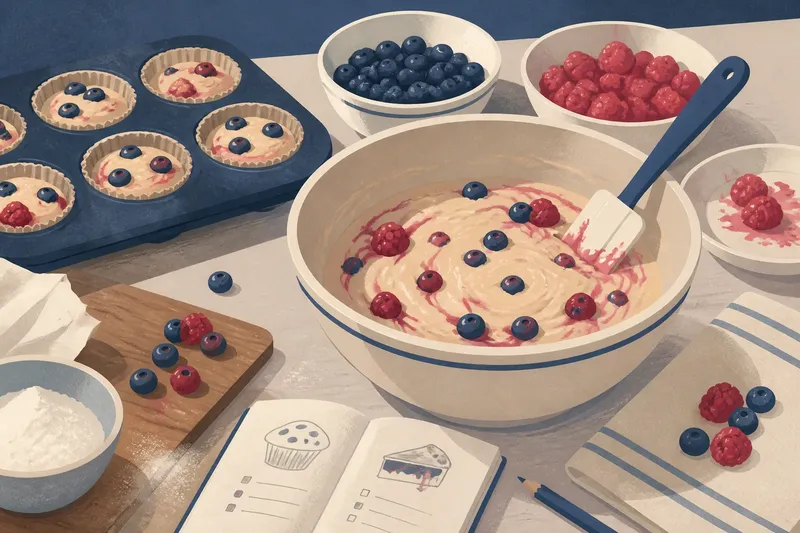
You’re halfway through making muffins when the raspberries in the bowl collapse under a light rinse, while the blueberries beside them still hold their shape. Berries for baking are not interchangeable: their firmness, juiciness, and flavor can change a batter from tender to damp or make a sweet filling taste flat. A simple plan for choosing and preparing fruit helps you work with what is in season instead of searching for one supposedly perfect berry.
Start with the job the berry needs to do
Before choosing fruit, decide what you want to notice in the finished bake. A berry can provide a bright pocket of tartness, lend moisture to a crumb, keep a filling juicy, or sit visibly on top. Some berries do more than one job, but their texture and flavor determine which role suits them best.
Firm berries such as blueberries generally keep a distinct shape in a muffin or quick bread. Their skins offer some resistance, so a berry may remain recognizable even as the surrounding crumb bakes. Softer raspberries can break apart more readily, leaving vivid streaks and pockets of fruit rather than neat, whole pieces.
Juicy fruit has another effect: it releases moisture into the area around it. That can make a cake pleasant and tender, but too many wet pockets may leave a dense, gummy patch. Think of fruit in batter like ice cubes in a drink: a little changes the texture in a welcome way; too much in one place changes the whole balance.
Use a week to make a better berry choice
A relaxed week of planning can begin with the recipe you actually want to bake, rather than a berry purchase made on impulse. The point is not to follow a rigid schedule. It is to notice what the recipe asks of the fruit and what the berries in your kitchen can reasonably provide.
- At the start of the week, choose the bake. A muffin, snack cake, pie, and crisp each give fruit a different role. Note whether the recipe depends on intact berries, a juicy center, or a cooked filling.
- When you shop or pick, check the fruit. Look for berries that are dry and sound, without crushed patches or leaking juice. A punnet with a few soft berries may still suit a sauce or a folded-in muffin, even if it is a poor choice for a decorative tart.
- Before baking day, taste one berry. Flavor varies with variety and ripeness. If the fruit tastes sharply tart, plan to keep it with a sweeter dough or filling; if it is mild, pair it with lemon zest or a more flavorful companion fruit.
- On baking day, sort by condition. Keep firm berries for places where shape matters, and set aside bruised or very soft fruit for a filling or quick sauce. Wash fruit when needed and dry it gently so extra water does not cling to the surface.
- After the bake, note what you would change. If a muffin has soggy fruit pockets, use fewer berries or choose firmer ones next time. If the fruit disappears into a sweet cake, try a more vivid berry or a less-sweet base.
This is a way to make a decision, not a prescription for a particular berry or recipe. Say you have soft, ripe raspberries and a muffin recipe that calls for blueberries. You could fold in a smaller amount of raspberries at the very end and expect pink streaks and a more delicate crumb; if you want distinct berries, save the raspberries for a sauce and use firmer fruit in the batter.
Match firmness to the shape you want
For muffins and quick breads, choose fruit according to whether you want separate pockets or a marbled interior. Blueberries often retain more of their outline than ripe blackberries or raspberries, while crushed fruit can streak the batter. Fold soft berries gently and briefly; vigorous stirring breaks them and colors more of the mixture.
For a cake with fruit scattered across the top, firmness matters because the berries need to hold their appearance while the surface sets. Set the fruit lightly into the batter rather than pushing it deep. A mix of berries can look appealing, but the softer ones may slump or bleed sooner, so distribute them with that difference in mind.
In pies and crumbles, the fruit is meant to soften, so pristine shape is less important than flavor and the amount of juice it releases. Very ripe berries can make a loose filling. A recipe may use a thickener such as cornstarch or flour, but the right amount depends on the fruit and the recipe; follow the recipe’s proportions rather than adding thickener by guesswork.
Balance berry juice against the batter
Juiciness is not a flaw. A berry’s liquid can keep a bake moist and make a filling feel generous. Trouble arises when wet fruit is concentrated in a small area, or when the recipe already has a loose batter and the fruit releases more liquid than it can comfortably hold.
Dry washed berries carefully with a clean towel before adding them. For a batter, fold them in at the end and avoid crushing them against the side of the bowl. A light coating of flour is sometimes used to help fruit stay distributed, but it does not stop juice from escaping and should not be treated as a cure for overly wet fruit.
If you have an especially juicy berry, consider a bake that welcomes its softness: a spoonable cobbler, a cooked filling, or a sauce served alongside a plain cake. For a delicate loaf or a compact muffin, choose fruit that feels firmer, reduce the quantity if the recipe allows, or keep the juiciest fruit out of the batter.
Let flavor guide sweetness and pairings
Berry names do not tell the whole flavor story. A ripe strawberry can be fragrant and sweet, while another may taste mild; blackberries can bring a deep, tart edge, and blueberries can range from gently sweet to sharp. Taste the actual fruit before deciding whether the bake needs a contrasting flavor.
Bright berries often suit rich or sweet bases because their tartness gives each bite definition. Lemon zest can sharpen a mild berry, while vanilla can soften a very tangy one. A buttery biscuit topping or plain cake can also give an assertive fruit room to stand out without asking the berries to carry every flavor.
When combining berries, think about both taste and texture. Firm blueberries with soft raspberries can give a filling a mix of whole fruit and streaks, but the raspberries may dominate the juice. If you want every berry to remain distinct, use fruit with similar firmness; if a mixed, jammy result is welcome, differing textures can be part of the appeal.
Which berry should you choose for this bake?
Are blueberries the safest choice for muffins?
Blueberries are a useful option when you want recognizable pockets of fruit, but the best choice depends on their ripeness and the batter. If they are very soft or leaking, they can still color the crumb and add wet spots, so choose sound berries or use another fruit the recipe can accommodate.
Can frozen berries go straight into batter?
Many recipes allow frozen berries to be folded in without thawing, which can help limit the liquid released before the batter reaches the oven. Follow the recipe’s directions, work gently, and expect frozen fruit to color the batter more readily than dry, fresh fruit.
Should berries be coated in flour before mixing?
A light flour coating may help berries distribute through some batters, especially when the mixture is loose, but it cannot make soft fruit firm or absorb all its juice. Use it only if it suits the recipe, and fold the fruit in gently either way.
What should you do with berries that are too soft for a cake?
Use them where their softness is an advantage, such as a cooked filling, sauce, or topping. If they smell off, show mold, or seem spoiled, discard them rather than trying to bake away the problem.
Choose the berry the recipe can welcome
The most useful question is not which berry is best for every bake, but what the fruit needs to do in this one. Firmness shapes whether it holds a visible pocket; juiciness affects the crumb or filling; and flavor determines how sweet, rich, or tart the rest of the bake should feel.
For berries for baking, use the week’s small observations—how the fruit feels, how it tastes, and how it behaves in your chosen recipe—to make the next decision. A soft berry can be exactly right in a spoonable filling, while a firmer one may be the better guest in a delicate muffin. Keep the recipe’s instructions in view, then let the fruit’s actual condition guide the finishing choice.