Why Apples Sink or Stay Put in a Cake
Why apples sink or stay put in a cake depends on size, moisture, and batter strength. Small prep choices help distribute fruit where you want it.
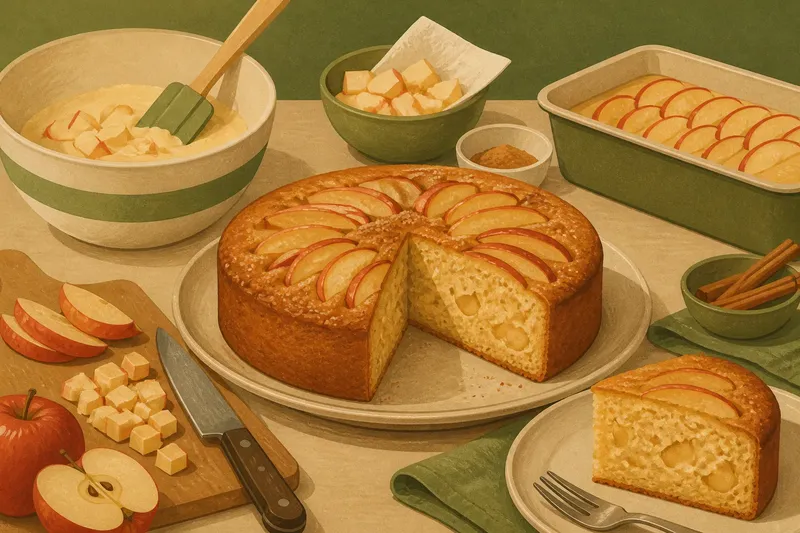
You cut an apple cake and find a neat band of fruit along the bottom, while the top slices seem almost plain. Why apples sink or stay put in a cake comes down to how their pieces meet the batter: their size and moisture matter, but so does the batter’s ability to hold them as it sets. A few modest choices can shift the balance without changing the character of the cake.
Think of the batter as a soft cushion: a small, dry piece can settle into it gently, while a large, slick wedge presses through before the crumb firms. These numbered choices let you decide whether you want fruit scattered throughout, concentrated in a layer, or visible on top.
1. Cut apples to suit the crumb
Large chunks have more weight and can push downward through a fluid batter. Fine pieces are lighter and offer more edges for the batter to grip, so they are more likely to stay distributed. Match the cut to the cake: a sturdy loaf can welcome generous chunks, while a tender, thin batter usually benefits from smaller pieces.
Keep the pieces reasonably similar in size. A mix of tiny dice and broad wedges creates different settling behavior in the same cake: the dice may remain suspended while the wedges travel lower. A sharp chef’s knife gives you control; an apple corer can speed up the initial preparation, but still check the slices before dicing.
For an even scatter, aim for bite-size pieces rather than long slices. If you want a distinct fruit layer, use larger slices deliberately and arrange them instead of expecting them to remain evenly dispersed. The choice is not about one cut being right; it is about matching the fruit’s scale to the effect you want.
2. Check surface moisture before mixing
Freshly cut apples can release juice, especially after sitting in a bowl or after being tossed with sugar. That liquid can make the fruit slippery and add moisture where it touches the batter. Patting damp pieces gently with a clean paper towel helps remove surface juice without drying the apple itself.
Pay attention to what else is going into the bowl. If your recipe calls for cinnamon sugar or another coating, a little may cling to the fruit, but a pool of accumulated juice should not go in by accident. Drain off excess liquid rather than compensating by adding flour to the batter; changing the batter’s balance can affect the whole cake.
Some apple varieties stay firmer and drier when cut, while others soften quickly and give off more juice. Use the fruit you have, but be observant: if the pieces look glossy and leave liquid in the bowl, blotting and prompt mixing are sensible small adjustments.
3. Choose a batter with enough body
A thin batter lets heavy pieces travel more easily before the cake sets. A thicker batter tends to slow them, though thickness alone cannot hold every piece in place. Recipes built around butter and creaming often produce a different texture from oil-based or pourable batters, so the same apple cut may behave differently from one cake to another.
Follow the recipe’s mixing instructions and check the batter before adding fruit. If it falls from a spatula in a broad ribbon and quickly levels, it is relatively fluid; if it drops in a heavier mass and leaves a brief trail, it has more body. These are visual clues, not reasons to alter ingredients on a whim.
Say you are making a tender apple snack cake with a batter that pours readily, and your first handful of diced fruit disappears as soon as you fold it in. For the next batch, you could cut the apples smaller, blot their surfaces, and fold them in just before the batter goes into the pan. The likely visible change is a more even scatter, though the recipe and fruit still influence the result.
4. Fold gently and avoid overloading
Once apples are in the bowl, use a flexible spatula to lift batter from the bottom and turn it over the fruit. Repeated stirring can break down a tender batter and encourage the pieces to collect in one place. Stop when the fruit looks reasonably distributed; it does not need to be perfectly uniform in the bowl.
Too much fruit can weigh down even a substantial batter. If the recipe specifies an amount, treat that as part of its structure, not just a flavor preference. Adding extra apples because the bowl looks sparse may produce a wet, dense band, particularly if the pieces are large or juicy.
When fruit distribution matters, reserve a small portion of the apples before folding in the rest. Mix the main portion through the batter, then scatter the reserved pieces over the top. This gives you visible fruit at the surface without repeatedly stirring the batter to chase every gap.
5. Place fruit where the cake can support it
Not every cake needs apples suspended throughout. For a cake with a decorative top, arrange thin slices over the batter and let them remain visible. For a fruit-forward interior, fold smaller pieces through the mixture. A layered approach can work too: spread some batter in the pan, add a modest layer of apples, then cover it with the remaining batter if the recipe’s texture can support that arrangement.
Pan shape also affects what you see. In a loaf pan, the batter is deep, so fruit has more distance to travel before the crumb sets. In a wider, shallower pan, pieces may have less depth to cross, but the cake may bake differently; use the recipe’s specified pan where possible rather than changing it solely to manage sinking.
For fruit arranged on top, press each piece only lightly into the surface. Deeply embedding a heavy slice can leave it partly hidden as the batter rises around it. A small gap between pieces gives the cake room to expand and keeps the apple pattern legible.
6. Give the cake time to set in the oven
Apple pieces continue to move while the batter is still fluid, then become held in place as the crumb firms. An oven that is not fully heated can lengthen that fluid stage; opening the door early can also interrupt the bake. Preheat as the recipe directs and avoid unnecessary door checks while the center is still setting.
Use the recipe’s doneness cues rather than relying on the fruit’s appearance alone. Apples can look soft before the surrounding crumb is baked through. A skewer inserted into a portion of cake without a large apple piece can help you judge the crumb; fruit clinging to the skewer is not, by itself, a clear sign that the batter is raw.
After baking, let the cake settle in its pan for the time the recipe recommends before turning it out or slicing. The crumb is delicate while hot, and cutting too soon can make a stable distribution look muddled. Cooling will not move fruit back upward, but it gives the cake a chance to hold its shape cleanly.
Why do apple pieces sink or stay put?
Does tossing apples in flour keep them from sinking?
A light coating may reduce surface slickness, but it cannot reliably overcome large pieces or a very fluid batter. If you use flour, take it from the amount already called for in the recipe so you do not add extra dry ingredient without accounting for it.
Should apples be peeled before they go into cake?
Peeling is mainly a texture and preference choice, not a dependable way to control sinking. The skin can help pieces keep their shape, while peeled apples may feel softer in the baked crumb.
Can I use grated apples instead of diced apples?
Grated apple blends into the batter and adds moisture rather than staying as distinct pieces. It suits recipes designed for that texture, but it will not create the same pockets or visible fruit as diced or sliced apple.
Why did the apples collect at the bottom even after I cut them small?
Small pieces can still settle if the batter is very fluid, the fruit is wet, or there is more fruit than the batter can support. Blot the pieces, fold them in gently at the end, and check that the recipe’s ingredient proportions have been followed.
Use the fruit to choose the result
For apple cake, the simplest decisions are often the most useful: choose a cut that suits the batter, remove excess surface juice, and decide whether the fruit belongs inside or on top. These adjustments influence placement without asking a delicate cake to carry more fruit than its structure can manage.
If you want apples to stay put, start with small, evenly cut pieces and a batter with enough body, then fold them in just before baking. If you prefer a clear fruit layer, arrange slices intentionally and let that be part of the cake’s design. Either way, notice how your apples look and feel before they meet the bowl; that brief check is often the easiest way to choose the right preparation.